Customer Support Experience
Rebuilding the contact experience to support clear, scalable resolutions
Overview
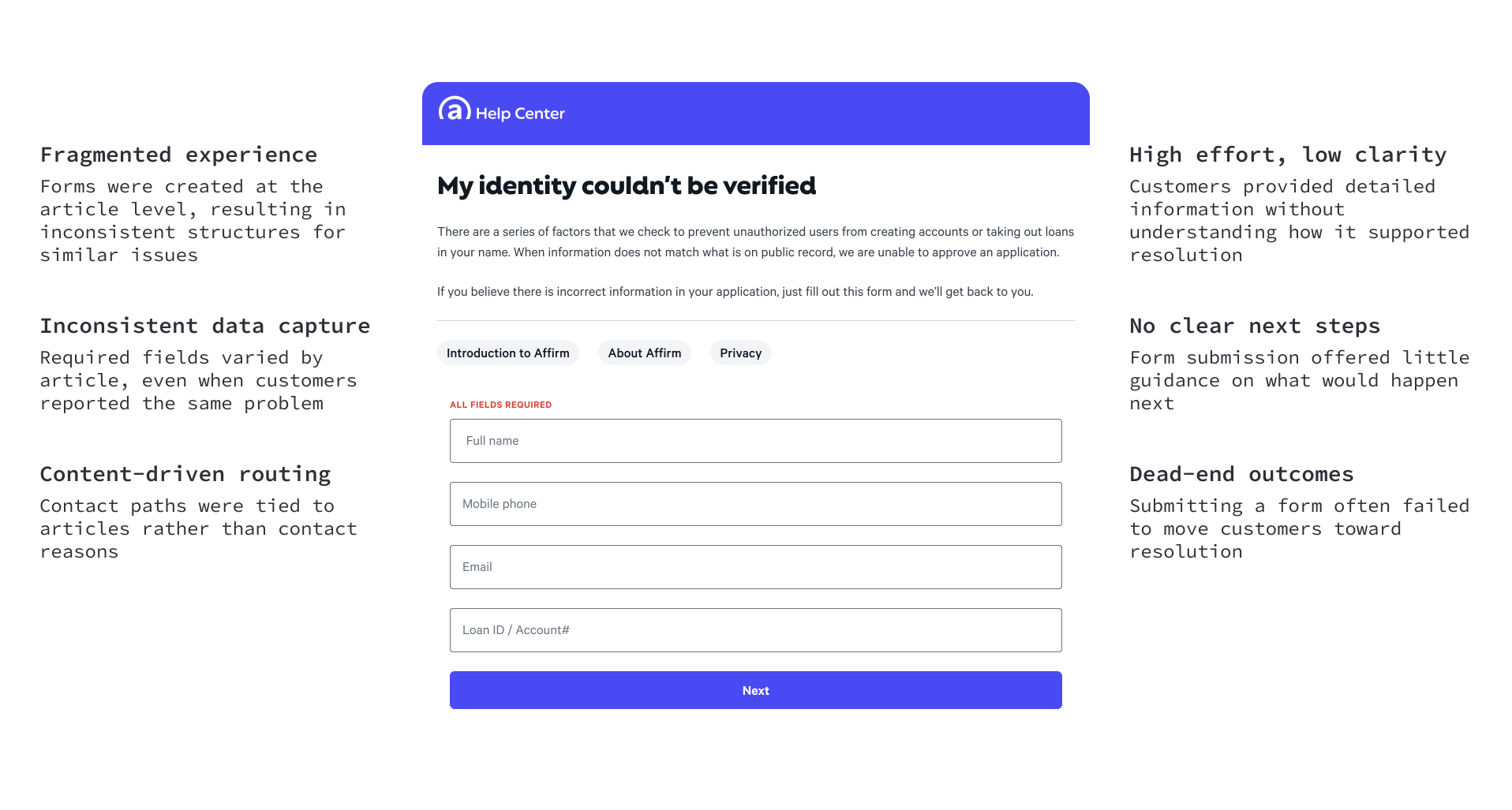
Webforms was Affirm’s primary way for customers to contact support through the Help Centre. Over time, new forms were added directly into Help Centre articles without shared standards or structure.
Each form solved a specific issue, but together they created a fragmented experience. Fields differed, flows diverged, routing logic was inconsistent, and ownership was unclear. As the product grew, the contact experience stopped scaling.
Problem
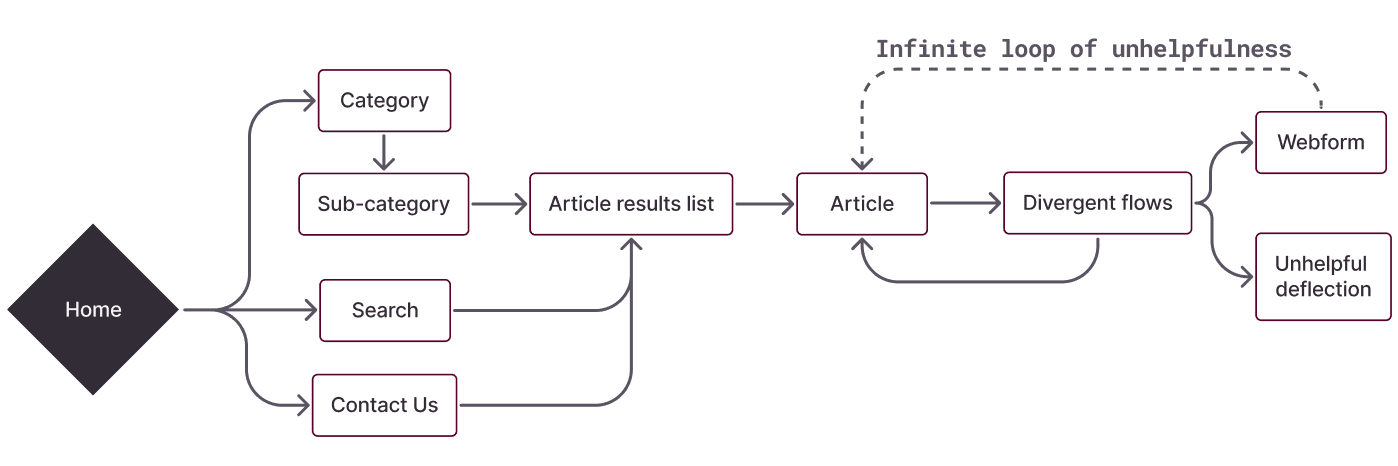
Endless loops instead of clear paths
Similar issues routed through different forms
Dead ends that forced them to start over
Sensitive issues, like fraud, handled through generic flows
Complex journeys leading to high drop-off and repeat attempts
Low CSAT driven by frustration
The issue wasn’t visual polish. It was structural. Without a shared way to classify and route contact reasons, the experience couldn’t feel coherent.
Research and Process
Understanding where customers got stuck
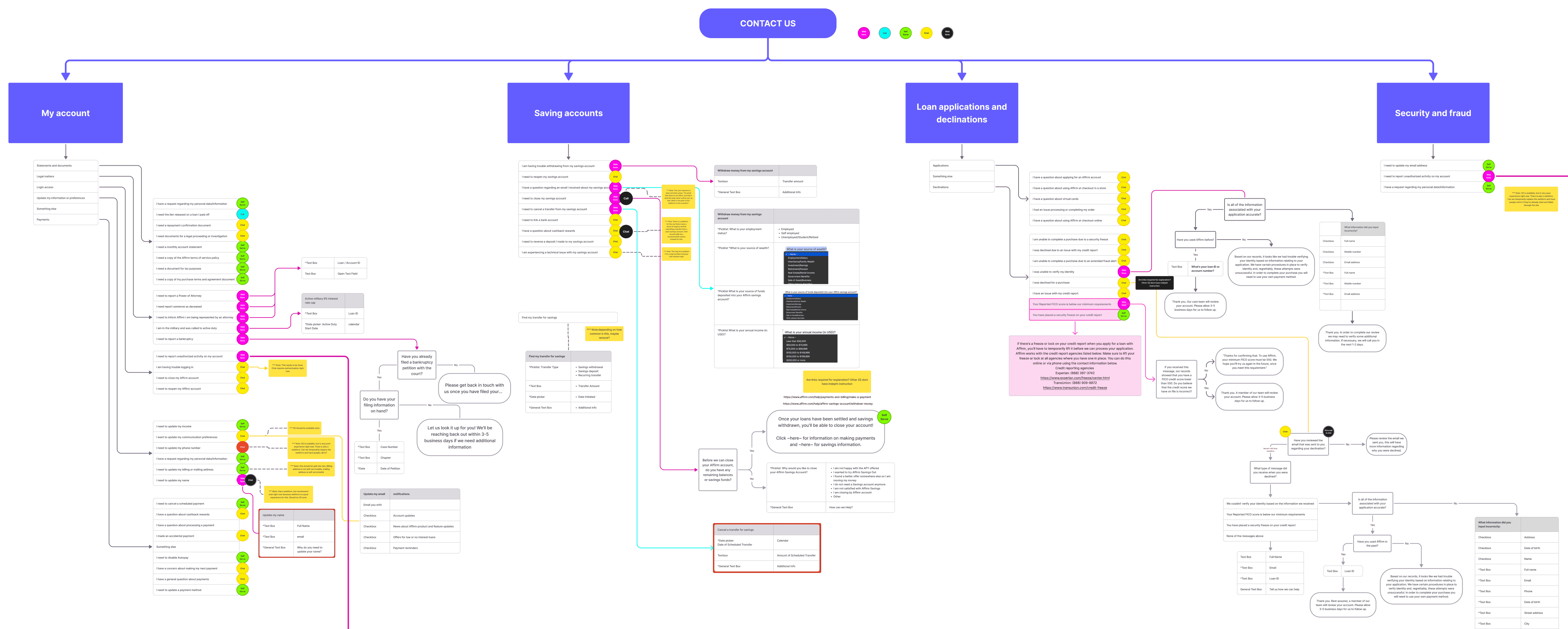
I led a cross-functional effort with Customer Success, Process Excellence, and Knowledge Management to understand how the contact experience was actually being used.
I initiated a full audit of existing forms and Help Centre articles, mapped end-to-end contact paths, and reviewed CSAT feedback and failure points. Through workshops, we mapped existing flows, surfaced redundancies, and aligned on a unified set of contact classifications that reflected customer intent while meeting operational needs.
Solution
A single contact experience built on clear structure
I proposed and led a shift away from form-by-form fixes toward rebuilding an adaptive contact system.
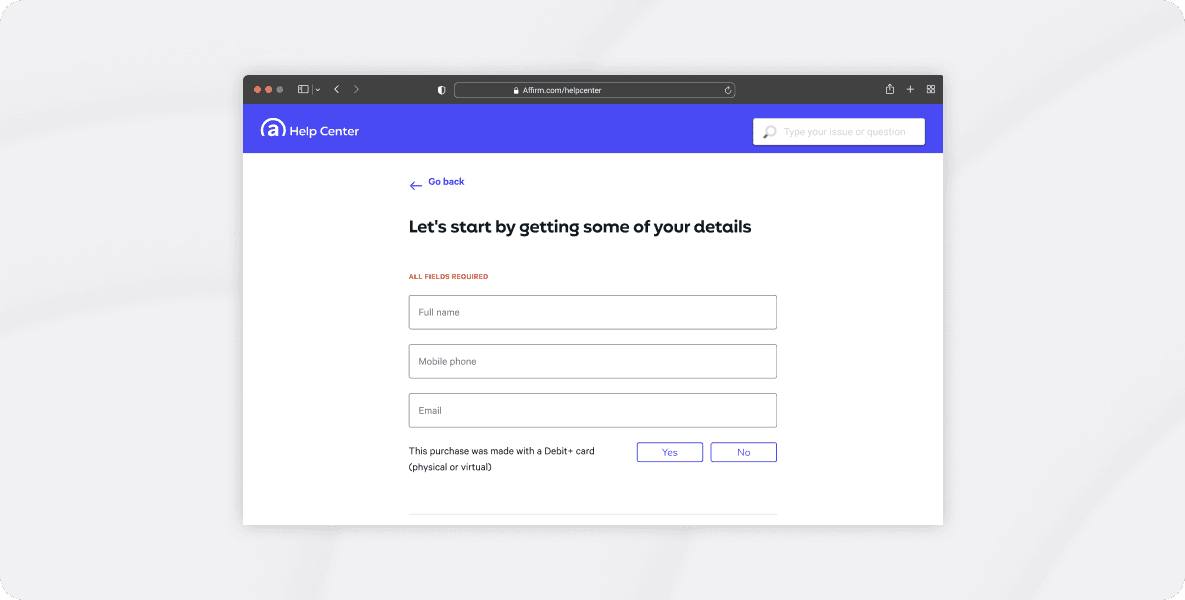
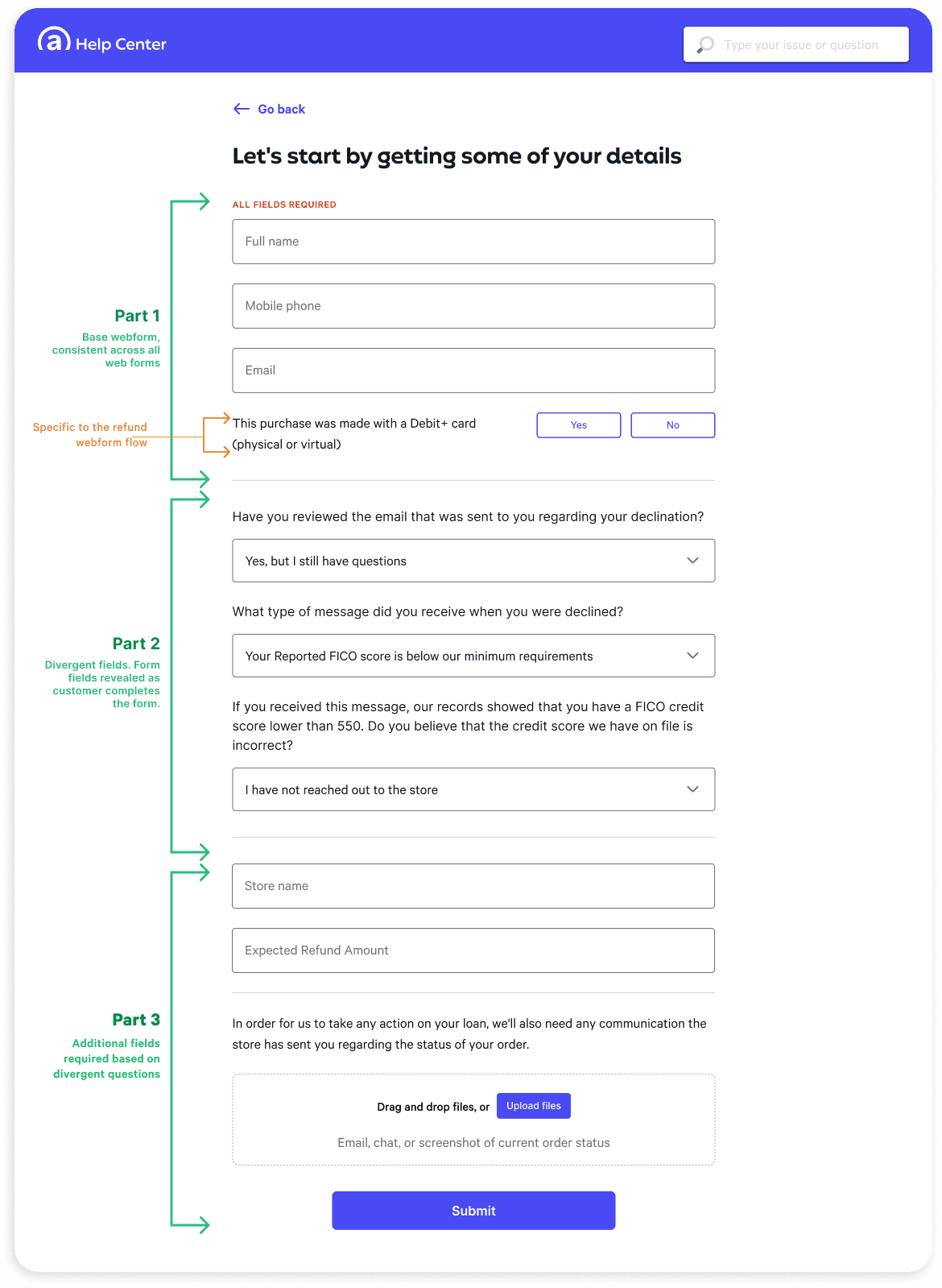
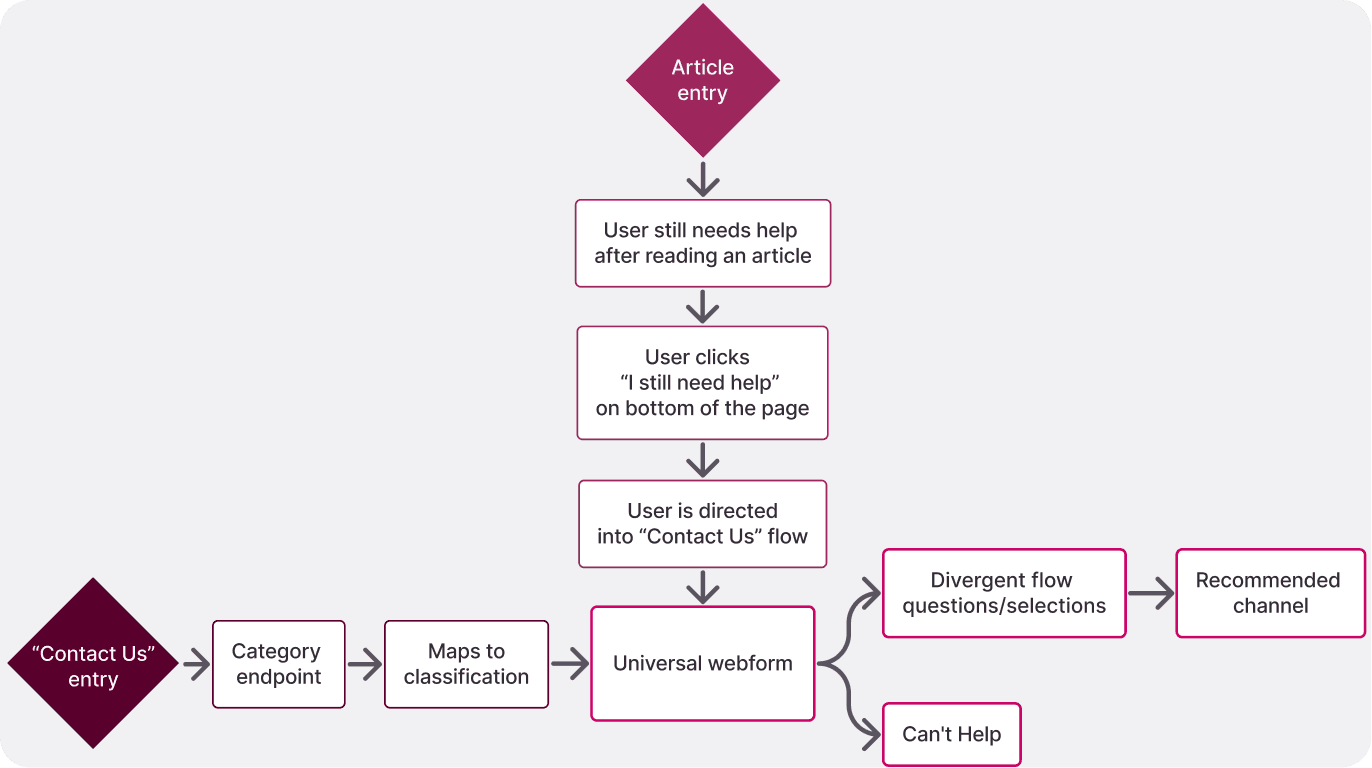
Multiple disconnected forms were replaced with one adaptive contact flow. Progressive disclosure ensured customers only saw questions relevant to their issue, reducing cognitive load and unnecessary steps. Contact reasons were decoupled from Help Centre articles, allowing routing logic to remain consistent even as content changed.
Alongside the experience changes, I helped establish clearer processes for future updates, including documentation standards, guidelines for new articles, and clearer ownership of contact paths.
Customers were guided to the right support channel earlier, particularly for time-sensitive or high-risk issues.
Universal webform
(progressive disclosure)
Article to contact entry
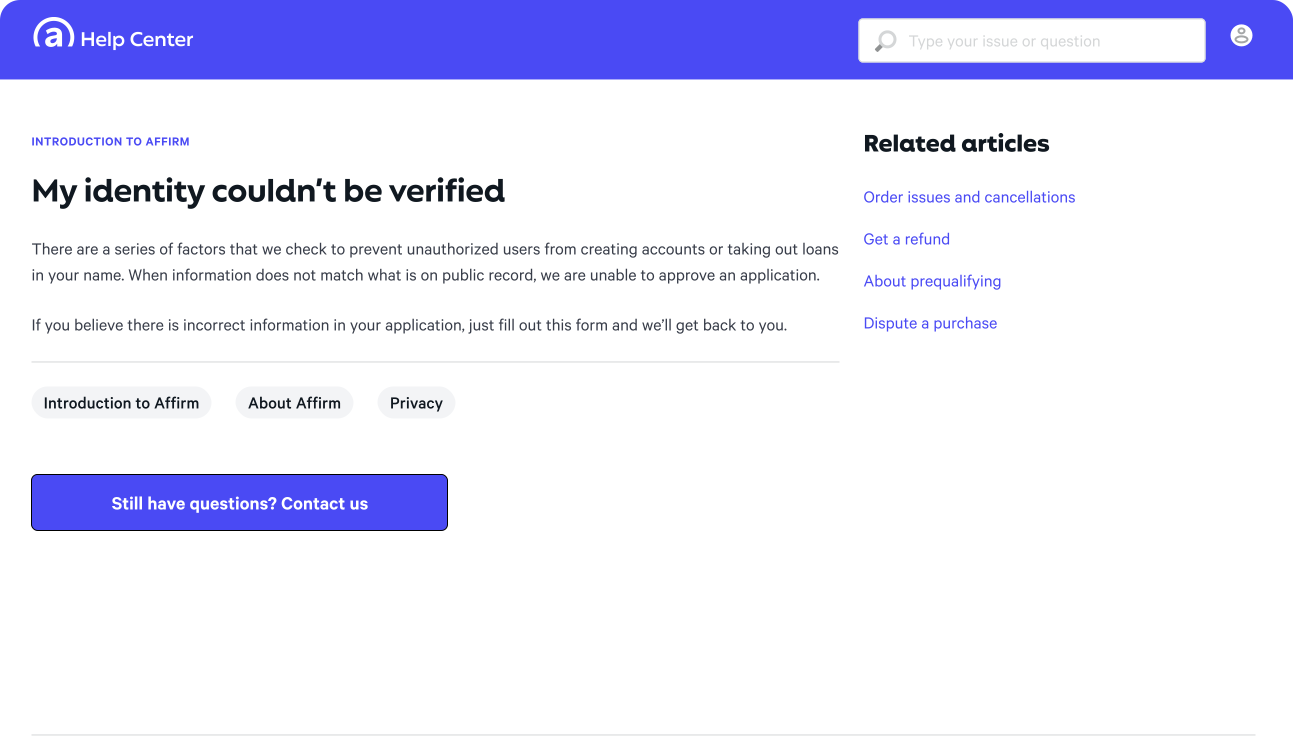
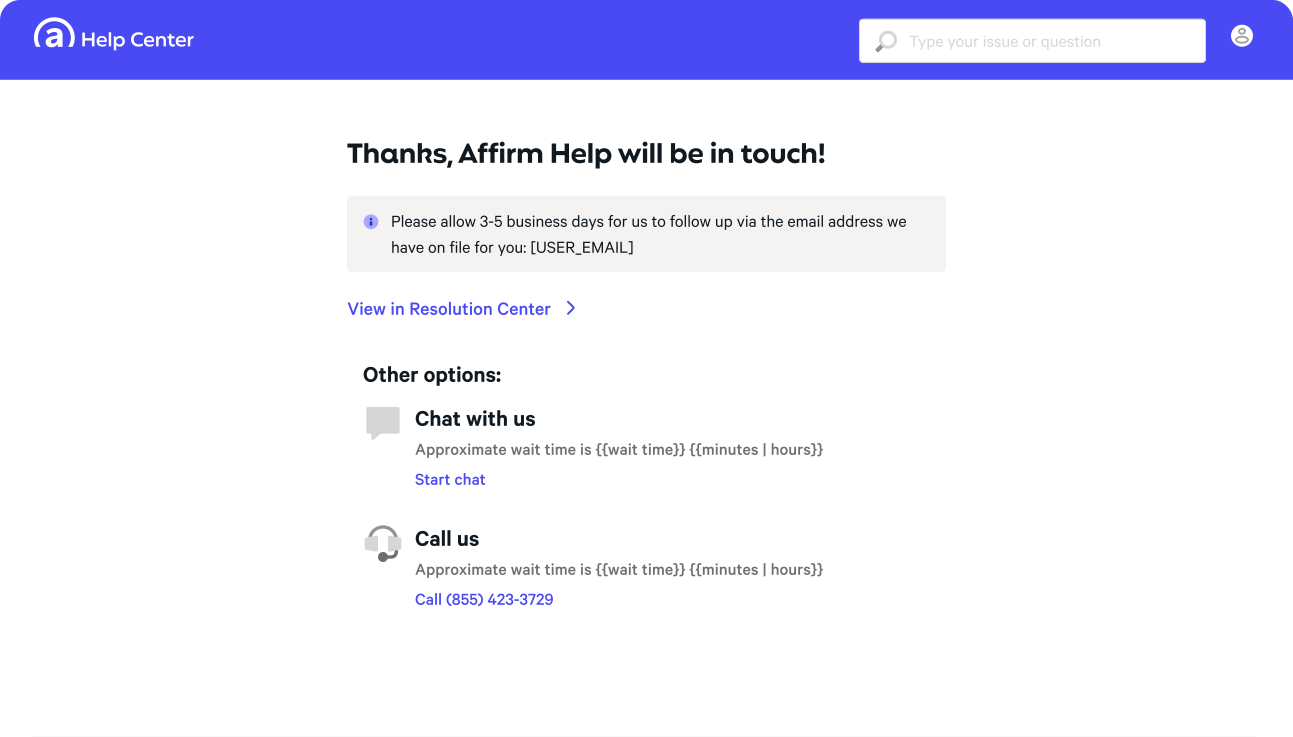
Clear end state
End-to-end experience
Impact
Faster resolution for customers and support teams
The updated contact experience resulted in:
Higher CSAT
Lower form abandonment
Fewer misrouted requests and repeat attempts
Faster resolution by improving the quality of information agents received
Internally, this project established clearer ownership and a scalable foundation for future support needs.