Merchant Experience
Evolving the Merchant Portal and in-store workflows to support scale
Overview
The Merchant Portal supported orders, reporting, reconciliation, and in-store workflows for PayBright merchants. Built early without formal product or design practices, it became harder to use as PayBright grew and expanded into larger retailers.
I led the merchant and in-store experience during this period. A full rebuild was not practical, so the focus was on improving what existed while maintaining delivery momentum and setting up future work.
Problem
Growth exposed a fragile foundation
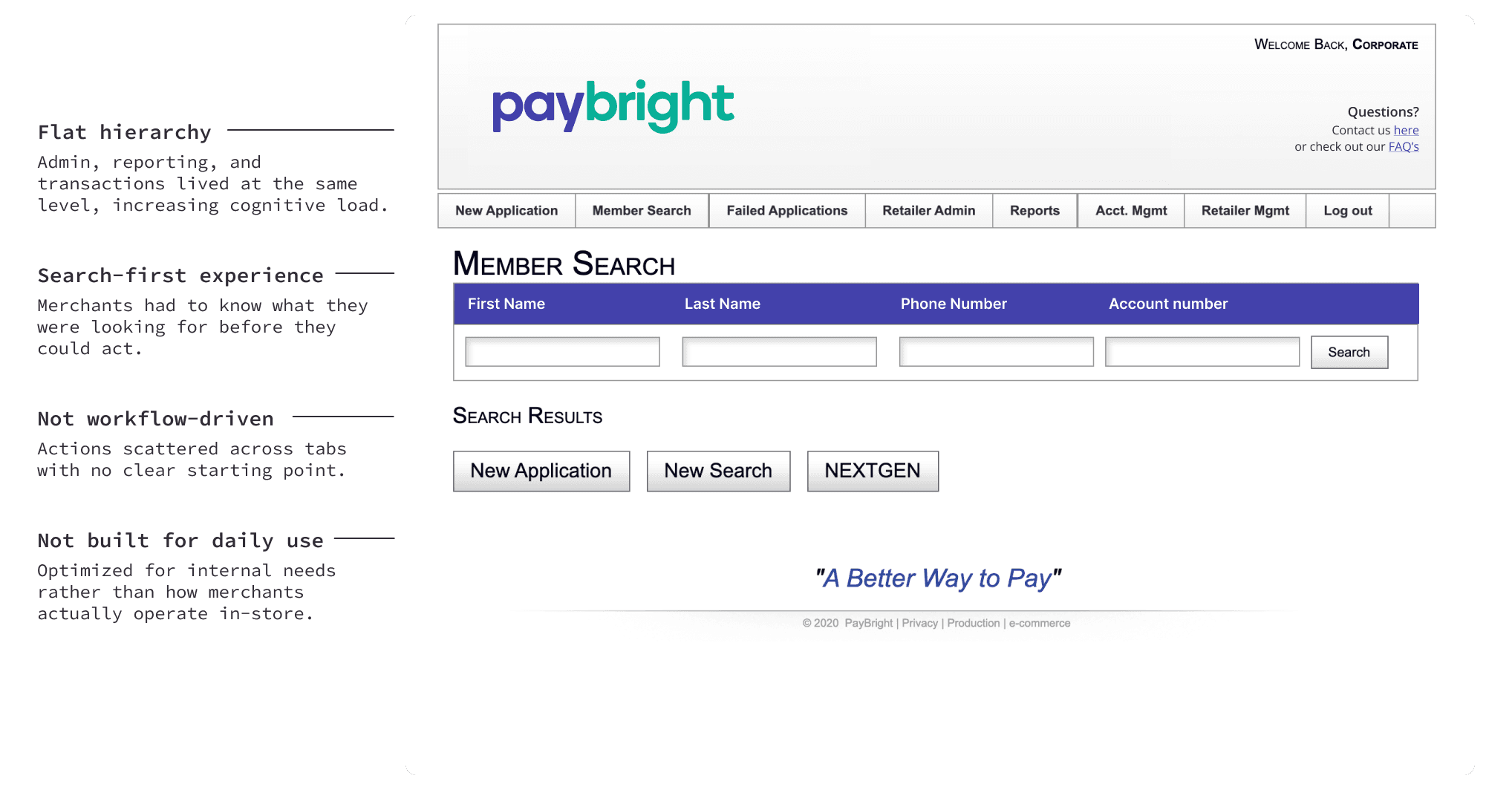
As PayBright expanded into larger and higher-volume retailers, both the Merchant Portal and the in-store workflow created friction that slowed transactions and made the experience harder to scale.
The most significant breakdown appeared in-store. Staff were required to complete the entire application for customers, which slowed transactions and caused hesitation at checkout.
Key challenges:
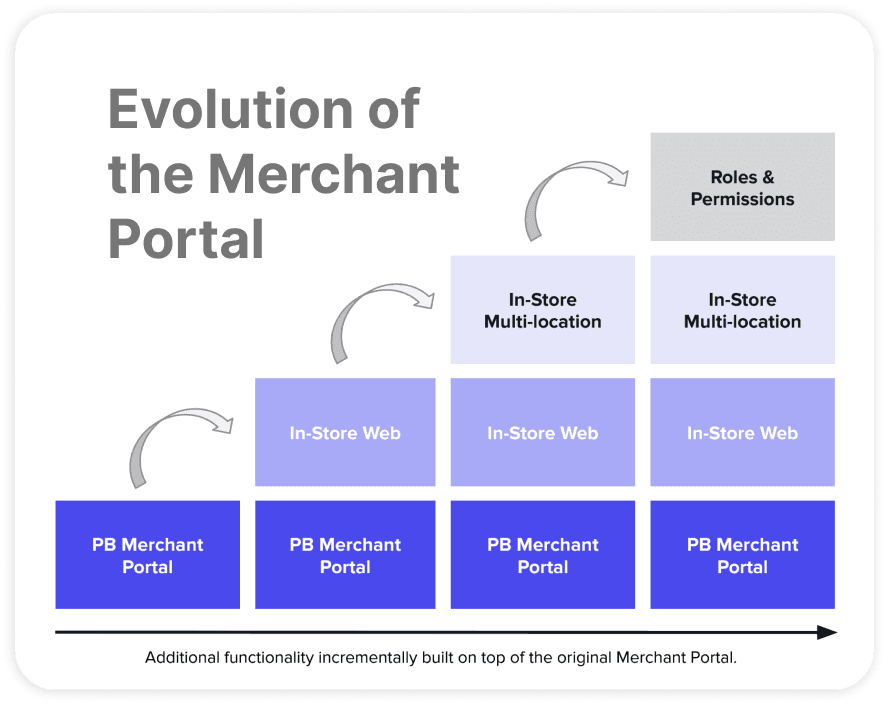
Fragmented portal structure from incremental additions
Staff-driven in-store applications that did not scale
Limited reporting clarity for reconciliation
No multi-location or role-based access
The core issue was that the portal no longer reflected how merchants actually operated.
Research and Process
Identifying the real sources of friction
My Product Manager and I interviewed merchants across industries, from single-location shops to high-volume retailers. We also spoke with merchant success and sales teams to understand recurring issues.
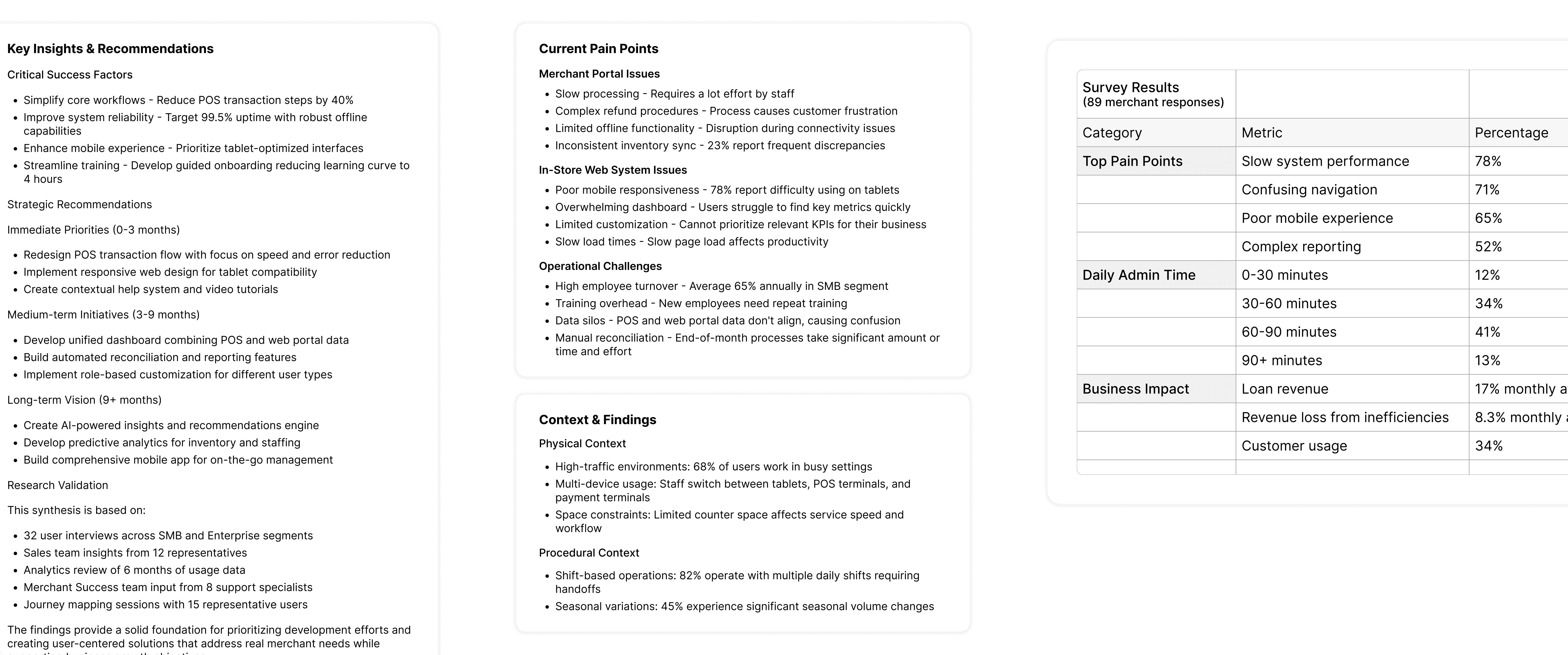
Clear themes came through:
Staff wanted faster and simpler in-store transactions
Customers were uncomfortable when staff completed applications for them
Bookkeepers needed clear visibility into fees, payouts, and settlement timing
Larger retailers needed tools to manage stores and staff
This gave product, engineering, and merchant success a shared understanding of the gaps and helped us decide what needed to be improved now, and what we could do in the future.
Solution
Change the workflow, not just the interface
Rather than a full redesign, the work focused on targeted improvements within existing constraints.
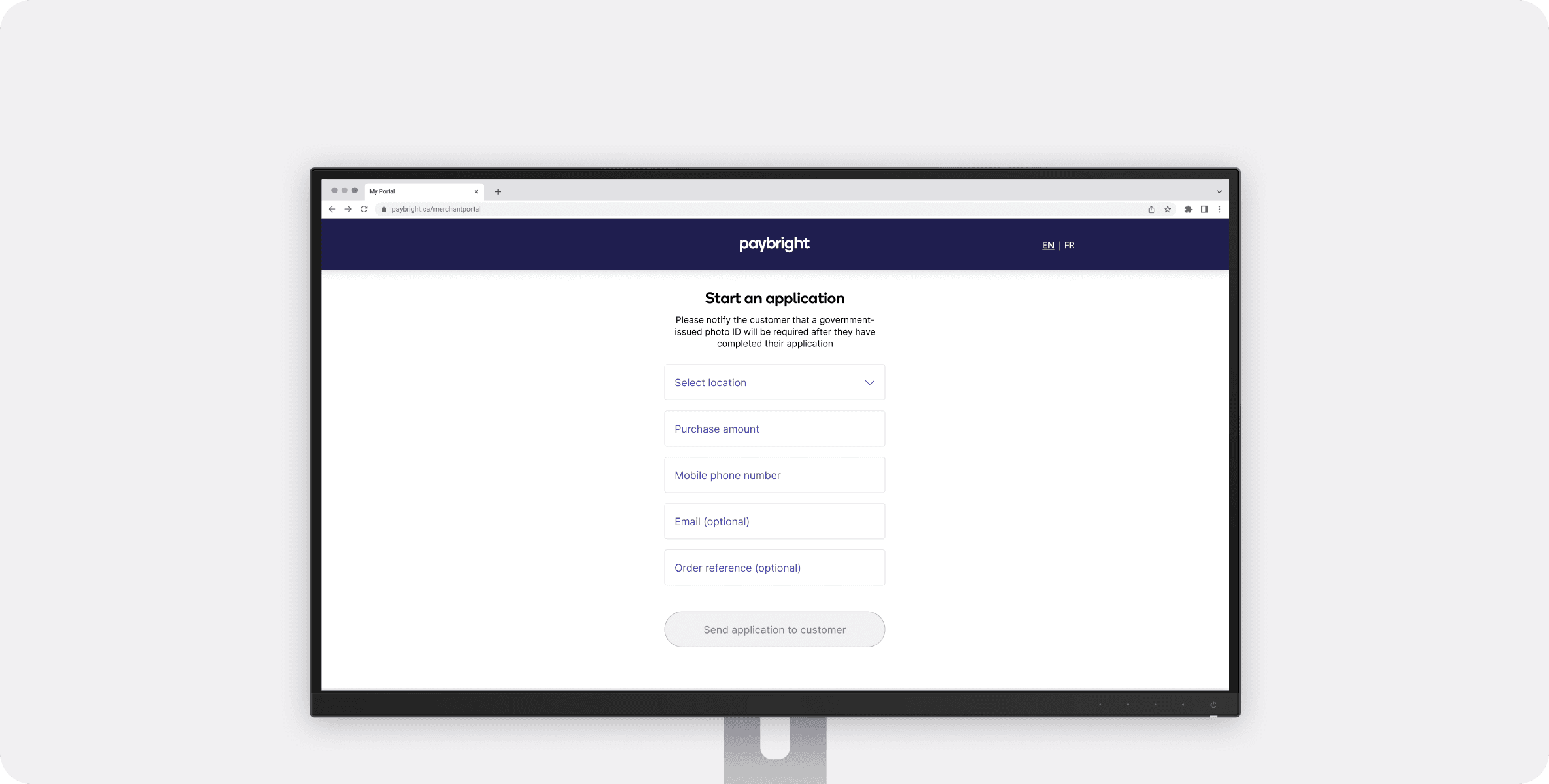
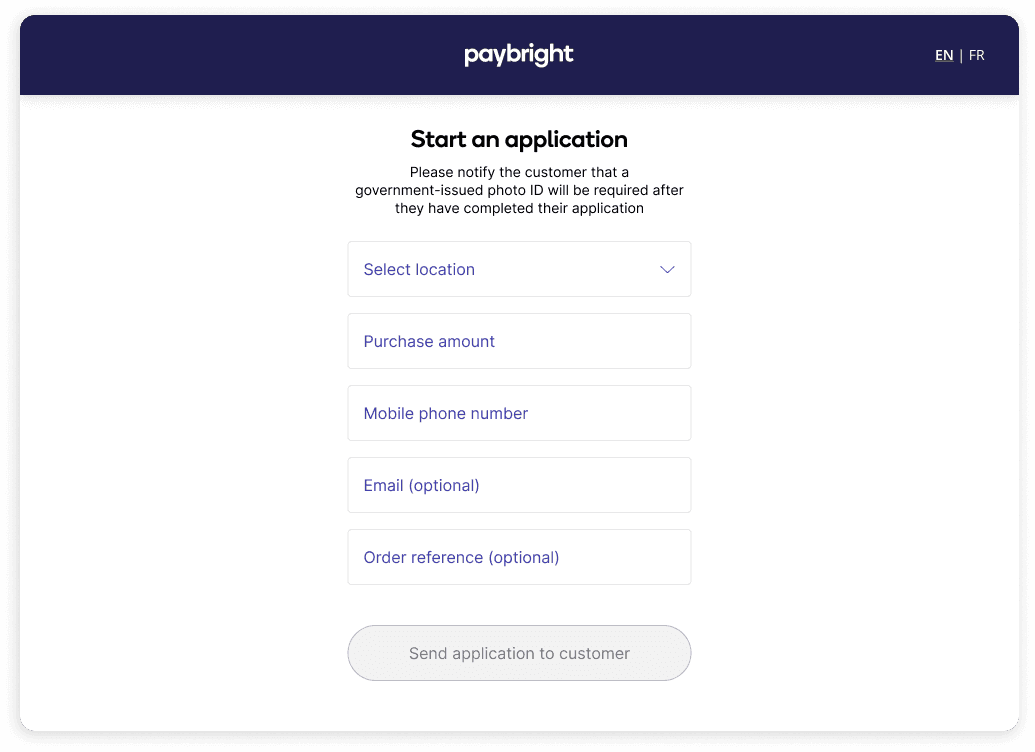
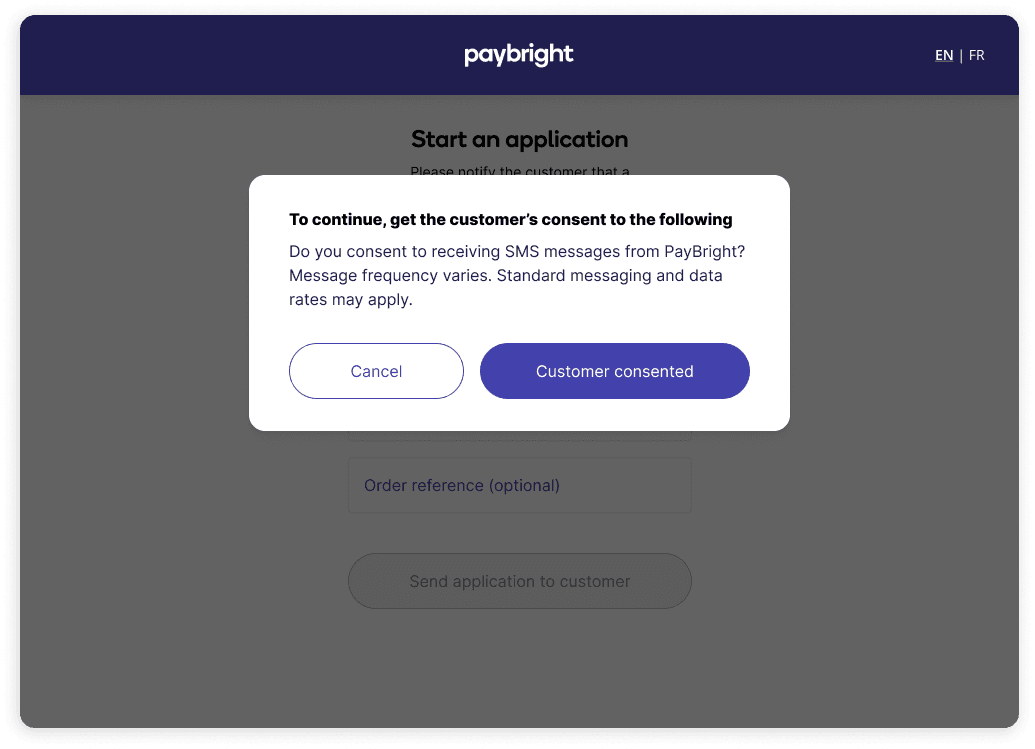
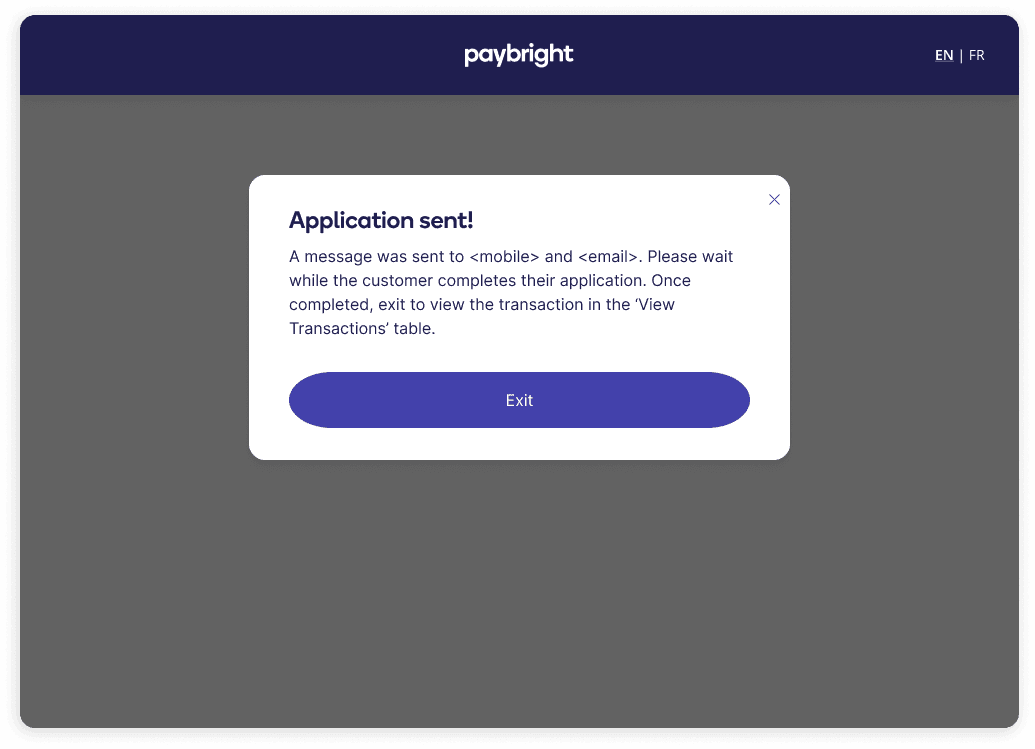
The most impactful change was In-store Web, which allowed staff to send a secure application link to a customer’s phone or email. Customers completed the application on their own device, reducing staff effort and transaction time.
We also:
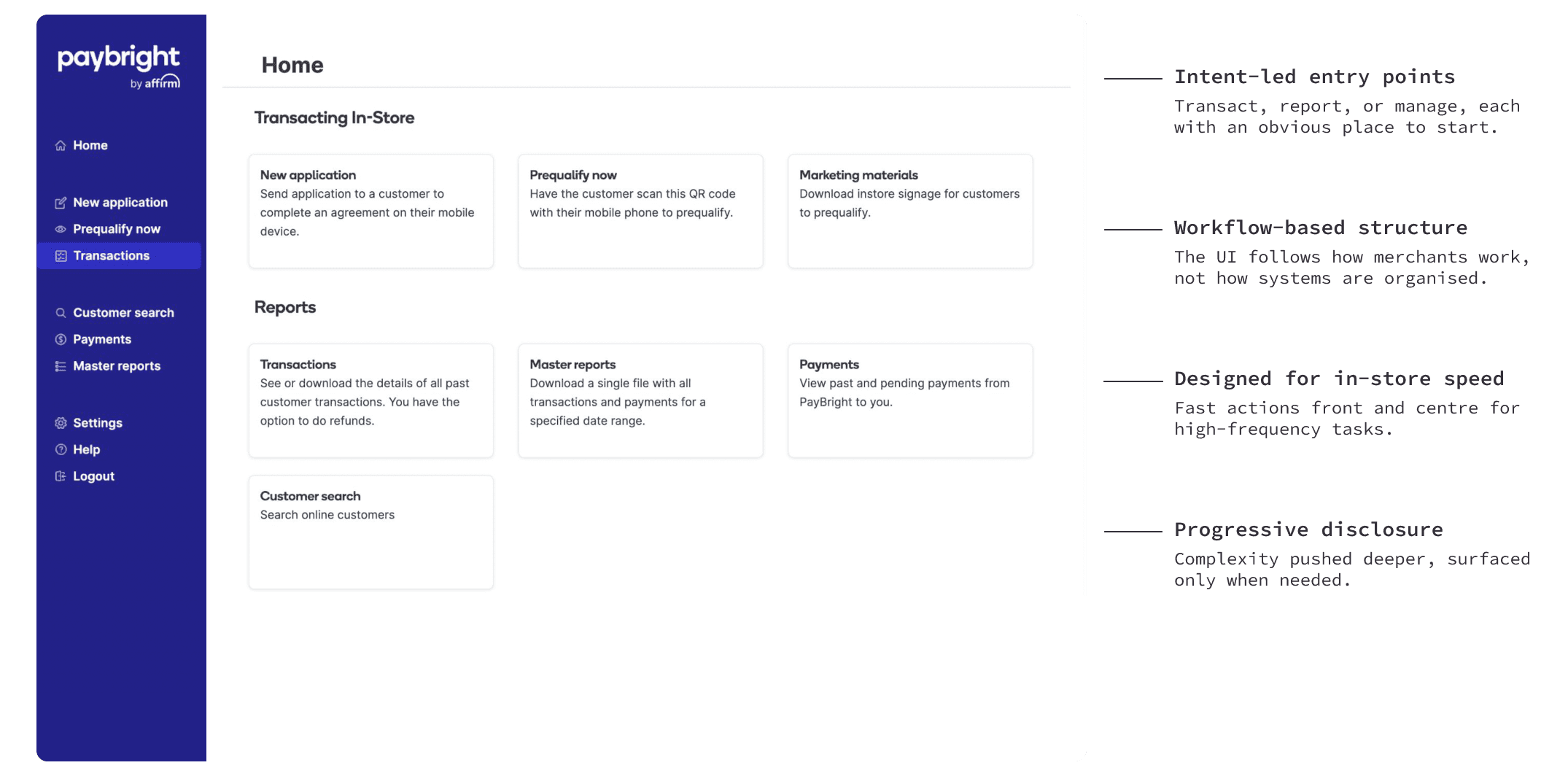
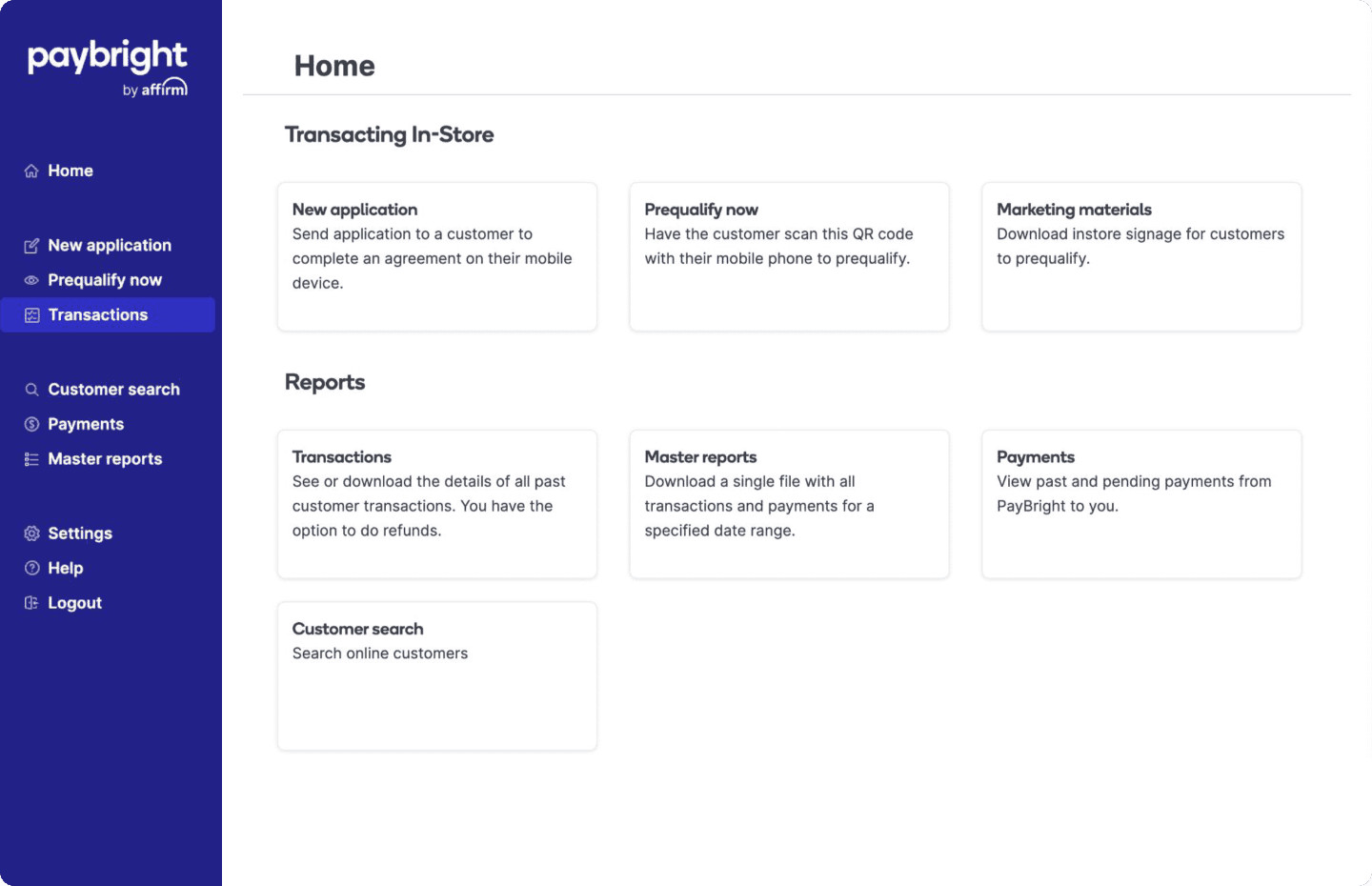
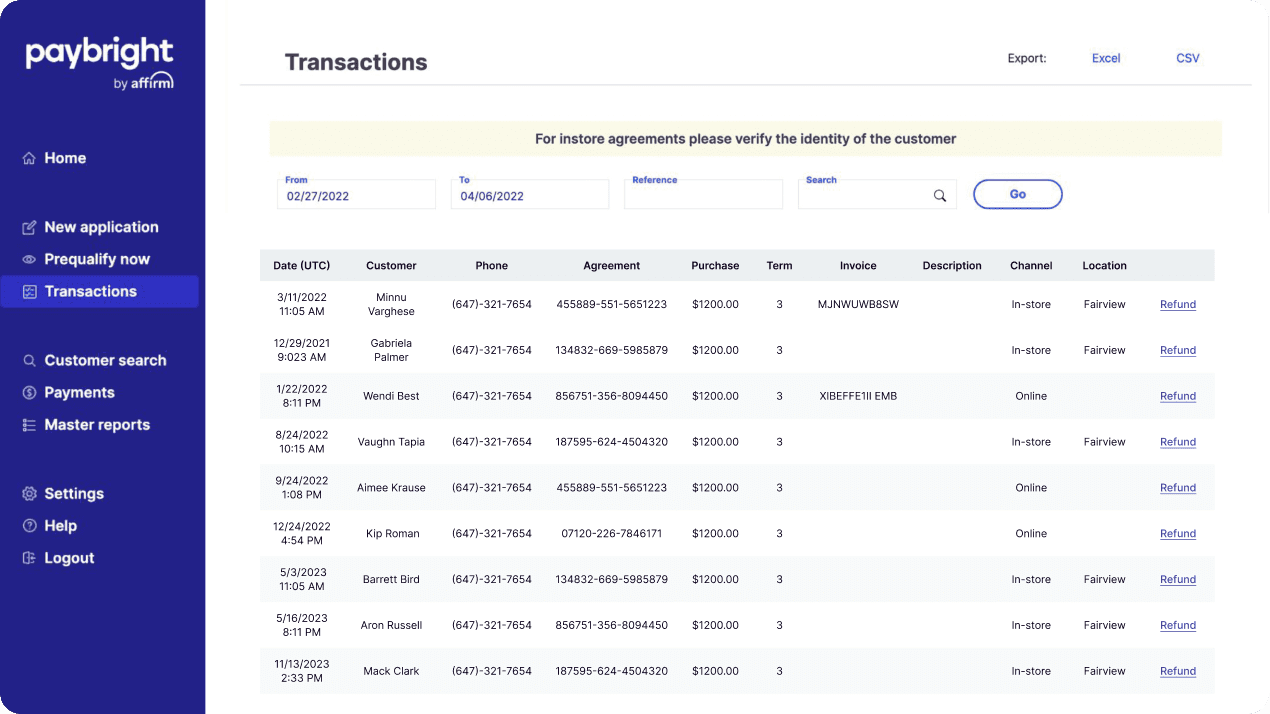
Restructured the portal IA around merchant tasks
Improved reporting clarity for daily operations
Introduced multi-location management and role-based permissions
The goal was to deliver meaningful improvements without slowing ongoing product development.
Impact
A stronger foundation for merchants to grow
The improvements strengthened the portal in ways merchants felt right away.
Results included:
33% increase in merchant satisfaction
12% increase in activation for newly onboarded merchants
Faster onboarding and fewer support requests
Smoother workflows for both in-store and e-commerce partners
A scalable structure that prepared the team for a future rebuild
The project shifted the portal from a set of disconnected features to a clearer, more workable system that supported merchants day to day and gave PayBright a stronger base to build on.